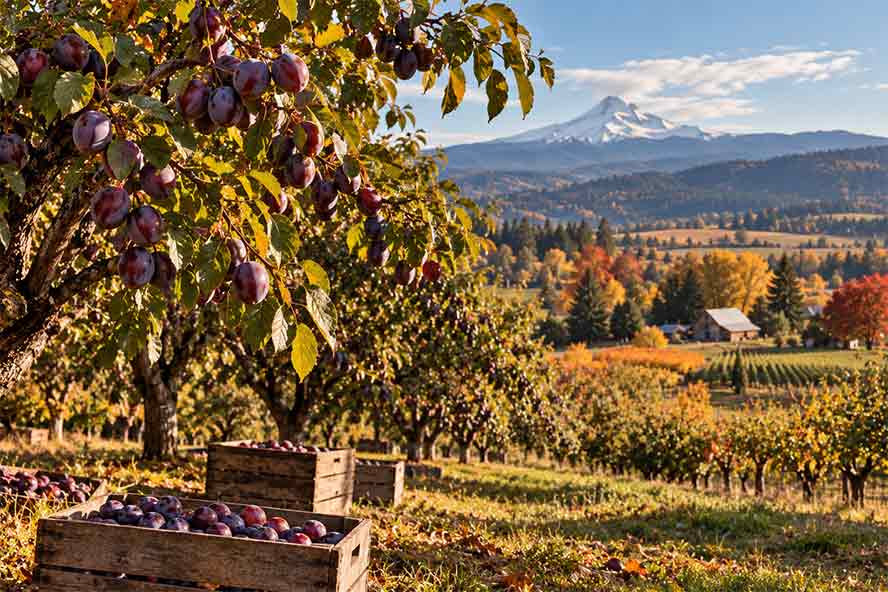
| When the Plums Arrive, Autumn Has Begun
Some time ago, I was talking with my German friend Peter, who lives near me.
We got to talking about Plum Kuchen, and Peter casually mentioned that in parts of Germany, Plum Kuchen can also be called "Datschi".
I stopped him.
Datschi?
That didn't make any sense to me.
I knew Kuchen.
Kuchen = Cake
The 2 words are very close
I knew Plum Kuchen.
But Datschi?
The word didn't even sound like Kuchen.
So naturally, I did what I always seem to do when food doesn't make sense to me.
 |
I started digging.
and I found the reason for the name "Datschi",
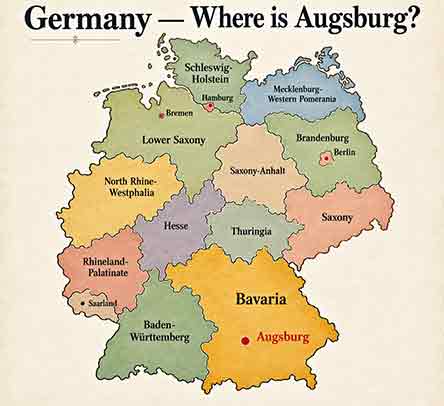
And before long, that little question took me all the way to Augsburg, Germany.
But maybe I should back up.
Because I've always loved fall.
I think part of it comes from growing up with food that actually had seasons.
We didn't have strawberries, asparagus and plums
showing up at the market twelve months a year. |
Strawberries had their time.
Asparagus had its time.
And then came the plums.
When the plums arrived, you knew autumn had begun.
My grandmother understood the seasons.
She celebrated them.
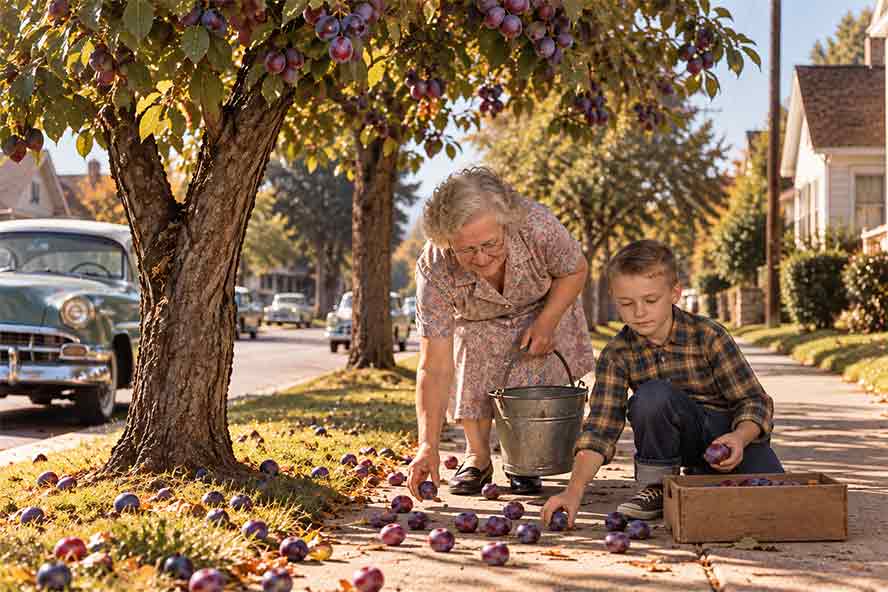
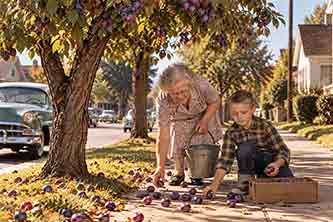
And I remember the plum tree outside her house.
Not just any plum, it was an "Italian plum".
dark purple,
also known in Germany as a "Zwetschge".
The prized variety in Augsburg and also for my grandma.
These oblong plums have a freestone pit, a firmer texture,
and hold their shape better for baking.
The tree could be absolutely covered with fruit.
There were so many plums that when they began falling,
people would step on them walking along the sidewalk.
The pavement would become sticky with crushed purple plums.
Back then, nobody thought of that as anything special.
It was simply what happened in the fall.
And then I started wondering:
Why did this particular fruit become so important in German cooking?
That's when Augsburg entered the story.

Augsburg is an ancient city, with Roman roots going back more than 2,000 years.
Through the trade routes, the Romans likely brought foods and food traditions north into Germany as well.
Plum trees aren't indigenous to Germany, and their story reaches much farther east. European plums are generally traced to eastern Europe, and the Romans brought plums from Damascus where the name Damson plums comes from,. while the German word Zwetschge has an ancient linguistic connection to plums associated with Damascus as well, though they don't sound similar, centuries of a word not written being spoken can go from
But I wasn't looking for Roman history.
When I started searching for this strange word Datschi, that's when I found Augsburg.
And suddenly, this wasn't just another name for Plum Kuchen.
Augsburg had a special relationship with Datschi.
The Zwetschgendatschi had become one of the city's best-known specialties — so closely associated with Augsburg that the city was sometimes called "Datschiburg".
That caught my attention.
A city named after Plum Cake, seriously?
And the more I looked, the farther back the story went.
For centuries, cooks in German-speaking Europe
had been finding wonderful ways to use plums. There were plum cakes,
Kuchens, dumplings,
cookies and all kinds of other desserts.
But something about the Augsburg Datschi stood out.
Instead of burying the plums inside a cake,
or covering them with custard or some other filling,
the plums became the star.
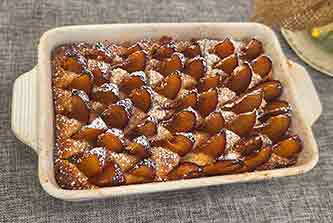
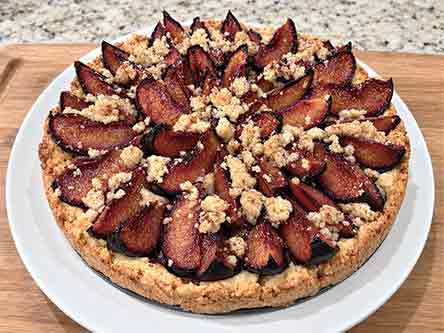
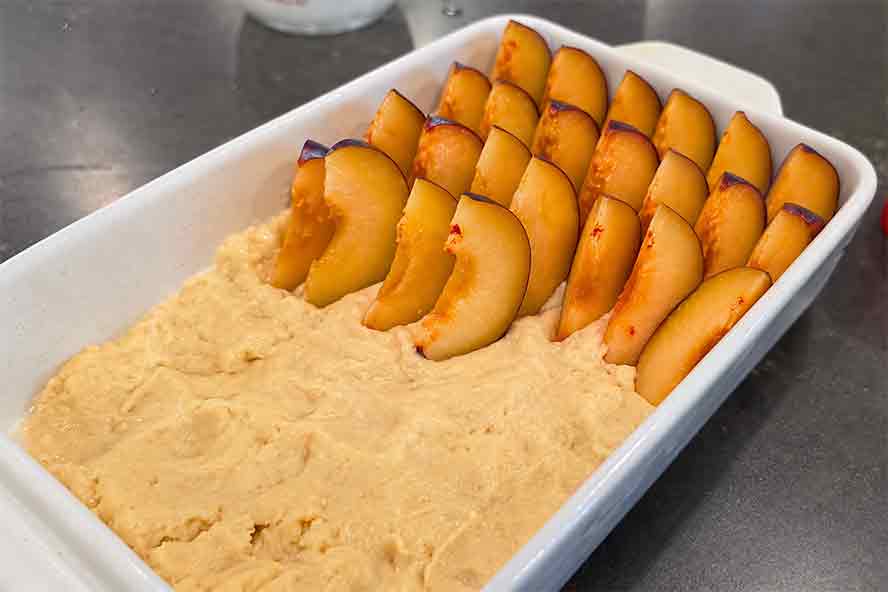
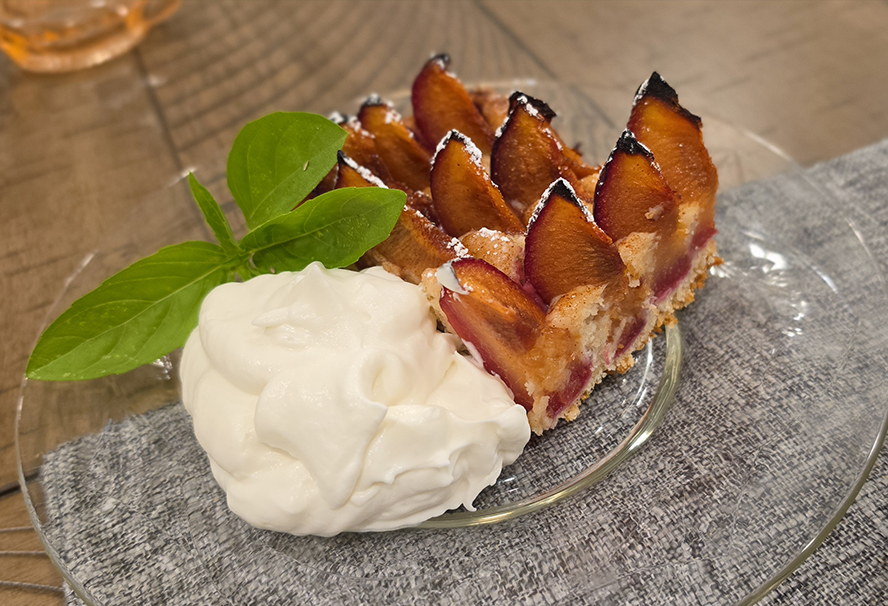
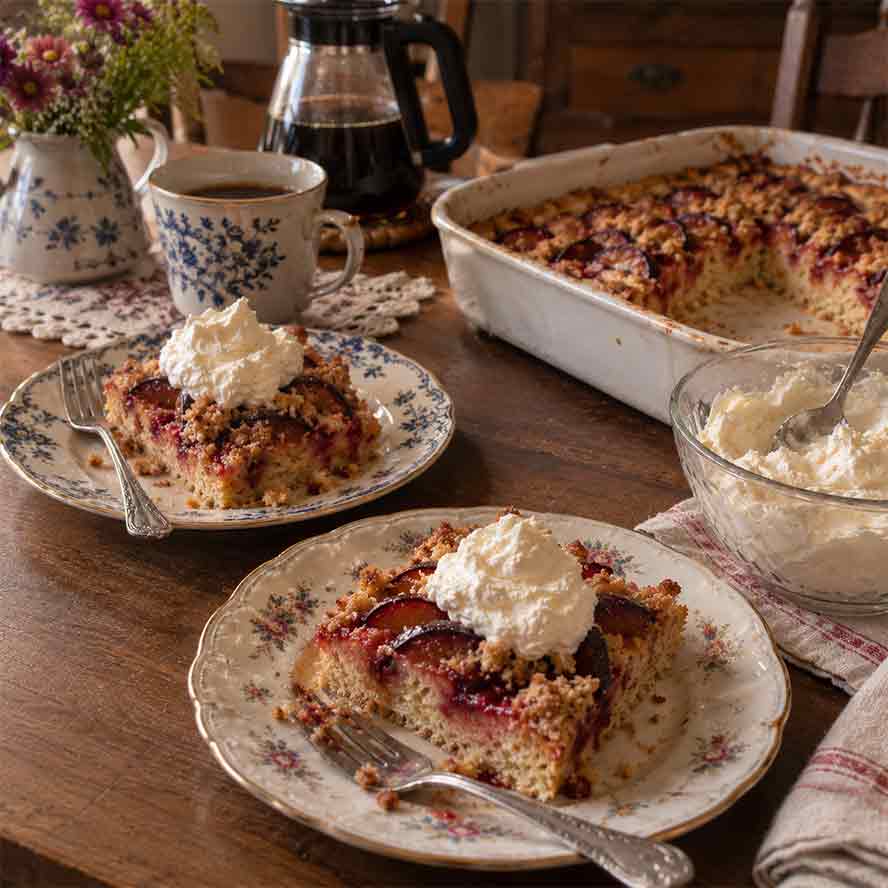
The Augsburg style calls for the Zwetschgen to be cut into halves or quarters
and placed very closely together across the yeast dough.
And here's the part I love.
The fruit isn't mixed into the cake.
It isn't hidden.
It isn't covered up.
The fruit is the design.
The word Datchi in German means "pressed in" or "pinched in"
AHA, now I get why they call it Datschi!
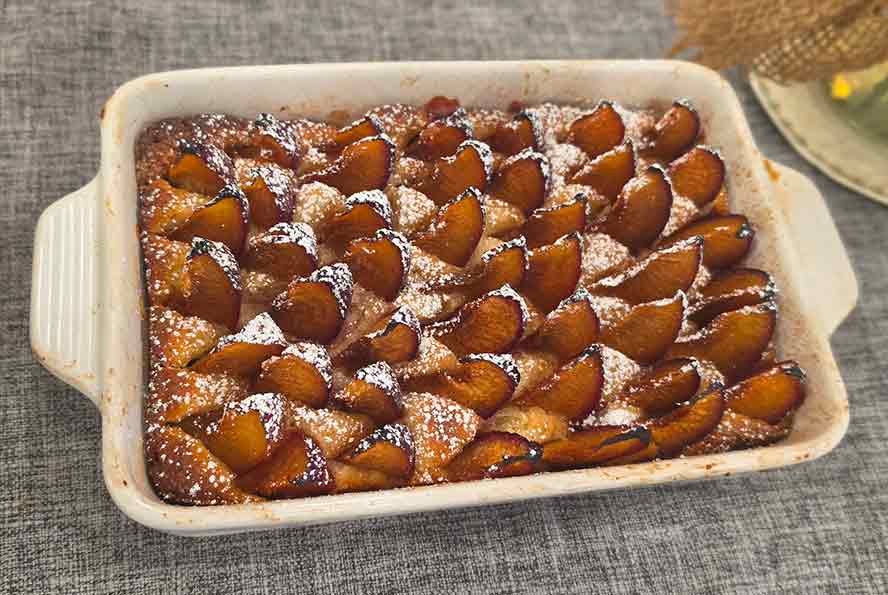
Row after row, those beautiful dark Zwetschgen
become the pattern on top of the cake.
They are not pressed fully in, but just enough to secure them.
So when I think Datschi, I now think of this culinary masterpiece.
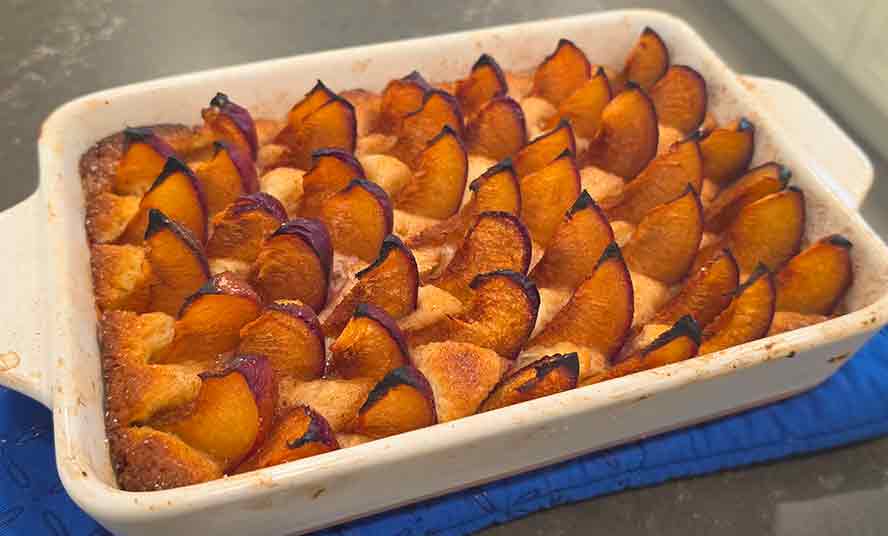
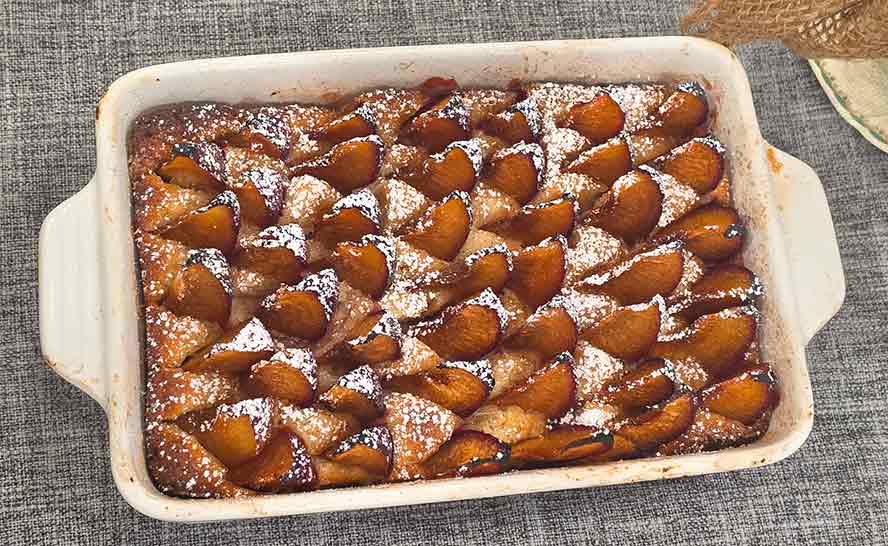
This pattern is so beautiful you may think this is an AI photo but it's not.
I did reposition some of the plums once they got out of the oven to straighten them.
and while it is still warm it is easy.
The dough is almost the stage.
The plums are the star.
And that is what makes this cake
so different from so many other Kuchens.
It's a sheet cake, yes.
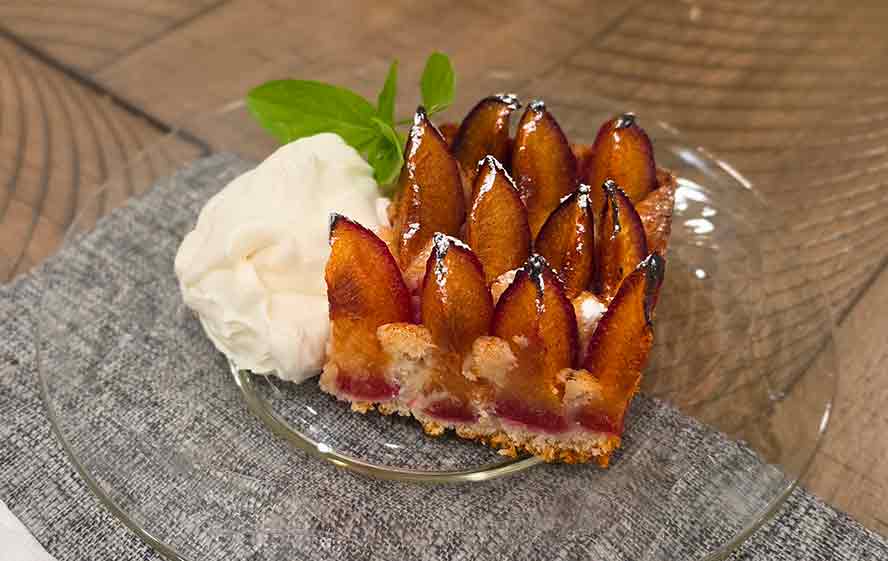
But it's a sheet cake designed around the fruit.
The Augsburg recipe even tells the cook not to press the Zwetschgen down into the dough,
so I think “pressed in” isn't quite the right description historically.
They were placed tightly onto the dough and arranged
to create that beautiful surface.
Whatever we call the technique, something important had happened.
The plum wasn't simply an ingredient in the cake anymore.
The plum was the reason for the cake.
And that particular style became so closely associated
with Augsburg that the city's nickname,
Datschiburg,
grew out of that relationship with Datschi.
~~~~~~~~~~~~~~~~~~~~`
In America we also like to associate a food with a city or state.
|
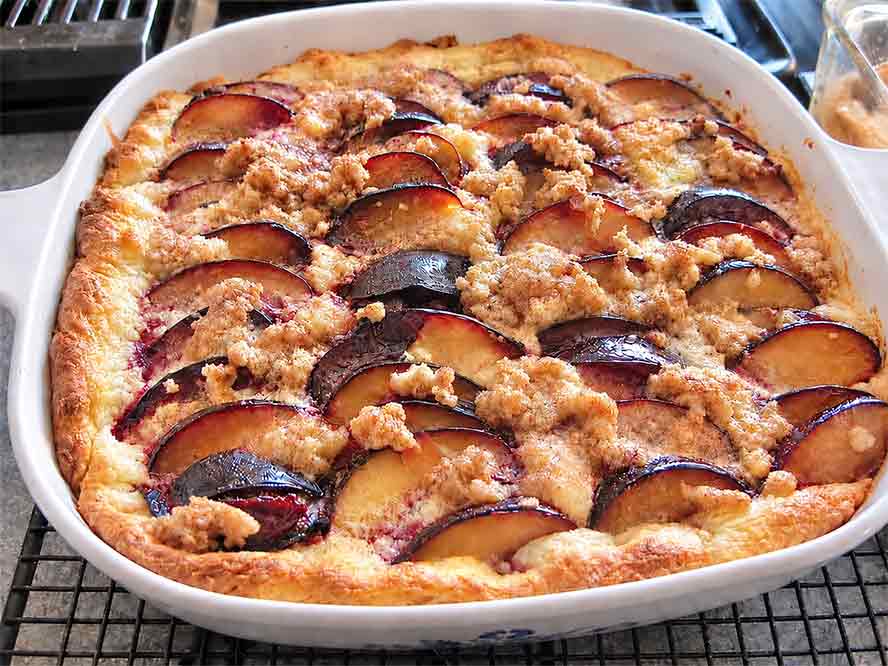
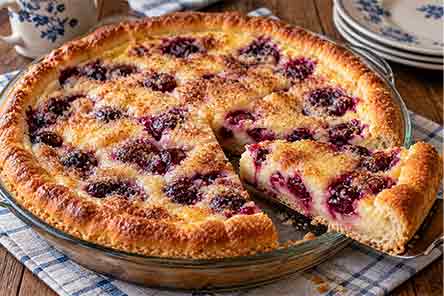
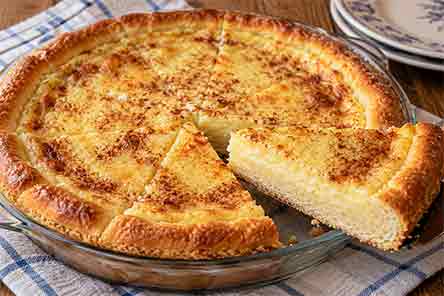
South Dakota made Kuchen its official state dessert,
reflecting the German heritage that became part of the state's food culture.
The
South Dakota Kuchen
pronounced
"Kugen" in SD,
unlike the Datschi
usually has a custard filling.
the traditional one
is custard base with fruit,
and
for a wedding
It would just be a custard on the sweet dough.
The South Dakota
style is very interesting
and for another
newsletter.
|
And in St. Louis, there's another Kuchen style associated with the city
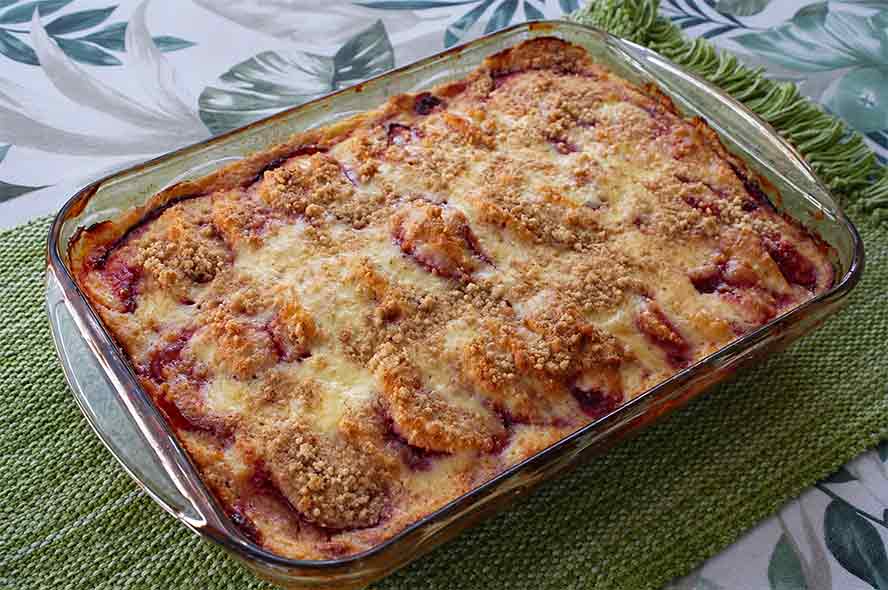
Gooey Butter Cake
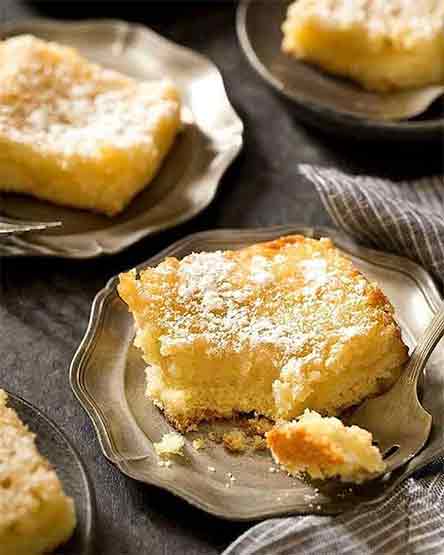 |
another German-American story, traditionally said to have begun with a baker getting the proportions wrong on a butter cake and deciding to bake it anyway.
Gooey Butter Cake is just what the name promises. It's rich and intensely buttery, with a tender cake base and a soft, almost custardy layer on top.
It's sweet, sticky and a little chewy around the edges, with powdered sugar over the top. It's the kind of cake where one small piece feels like enough — until you take another bite.
we will cover this in another issue.
|
Different stories.
Different places.
But something similar happened.
A food becomes popular.
People make it.
They share it.
They change it.
And eventually, it becomes part of the place itself.
And somewhere, almost two hundred years ago,
somebody was standing in an Augsburg kitchen with a basket of Zwetschgen,
making a cake.
Maybe that's what food traditions really are.
Not recipes frozen in time.
But something one generation picks up and the next generation carries forward.
And that's exactly what I was thinking about when Peter
casually said that Plum Kuchen could also be called Datschi.
One little word I didn't understand...
sent me traveling.
And now, when I look at a beautiful plum in the fall,
I don't just see fruit.
I see a season.
I see a city.
And I see generations of cooks standing around a table,
doing what cooks have always done when the harvest comes in:
making something good out of what the season has given them.
And maybe that's why, for me...
when the plums arrive, autumn has truly begun.
and I am back there picking up plums
and
trying out this recipe for plums from trees brought to Germany
thousands of years ago,
and this special style that later became part of this ancient city.
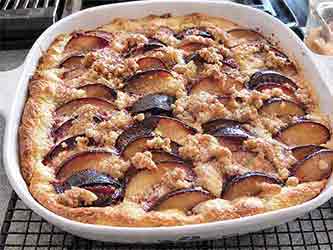
I couldn't find the prized Zwetschge
so I used what I could find.
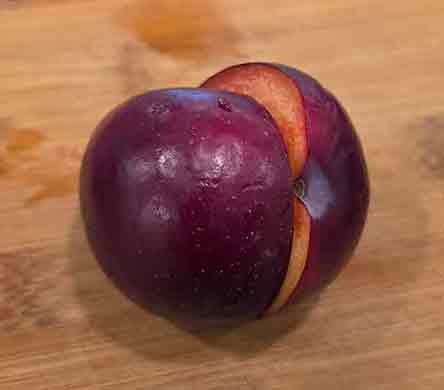
I chose these dark plums
and ones that
were not very soft.
I wanted firm fruit, that held it's shape.
Baking concentrates the sugars so they weren't tart,
they didn't need much sweetner.
|
 |
|