Recieve our free
German Goodies Recipe
Newsletter


Wiener Schnitzel
(Pork Style)

Schnitzel is a Technique More than a Recipe

Wiener Schnitzel is one of those dishes that looks simple on the plate but carries a century of technique behind it. At its heart, it isn’t about fancy ingredients or complicated steps — it’s about understanding how to treat a thin piece of meat with respect. The magic comes from the way you cut it, the way you pound it, the way you bread it lightly so it can breathe, and the way it floats in hot oil just long enough to puff and turn golden.

Think of this less as a recipe and more as a craft passed down through kitchens in Vienna, Bavaria, and every German‑American home that kept the tradition alive. Once you learn the rhythm — the breading station, the gentle handling, the shimmering oil -"The Souffle effect"— you can make a perfect schnitzel anytime, with any cut of meat. This page walks you through the essential steps so you can master the technique and understand why each part matters.


    Kitchen Project   German Recipes       German OnlineShop


4 pieces of Pork Loin about 6 -8 oz

For Breading Station:
1 cup Flour
2 cups Bread Crumbs or Cracker Crumbs
1-1/2 cup Milk
2 eggs

3/4 to 1 cup of vegetable or olive oil
enough to fill the pan about 3/4 inch or 2 cm

2 fresh lemons
Optional
Fresh parsley


printer friendly           Metric Conversion Chart


Our German Heritage Recipe Cookbook

~~~~~~~~~~

Kitchen Tool Discussion

The Kitchen Project receives a small commission on sales from Amazon links on this page.

Full Affiliate Disclosure Policy


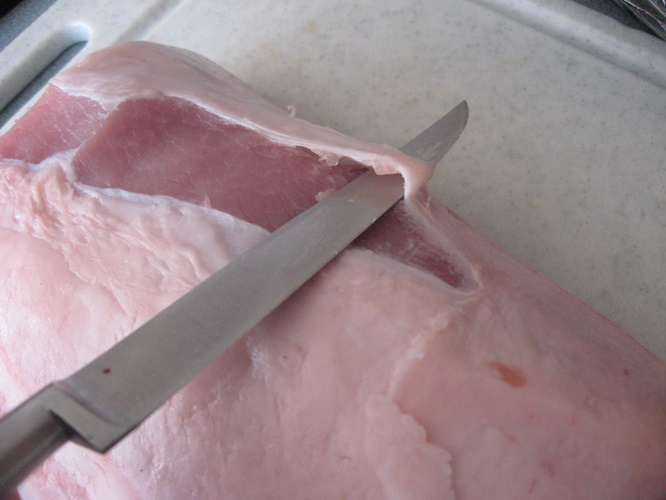
Trim the pork loin

For a nice size Schnitzel you will need to do what is called a butterfly cut. Make this first slice almost all the way down but not all the way through.

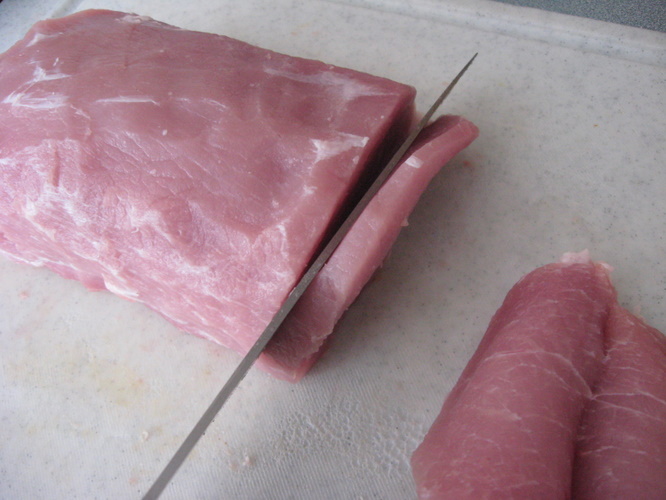
Then cut a second slice right next to it,
all the way down you can see you have 2 wings.
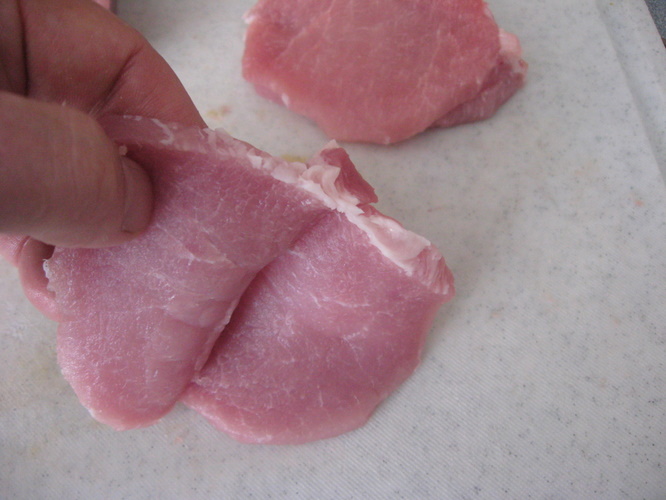
spread them apart and you have a nice 6-8 oz steak.


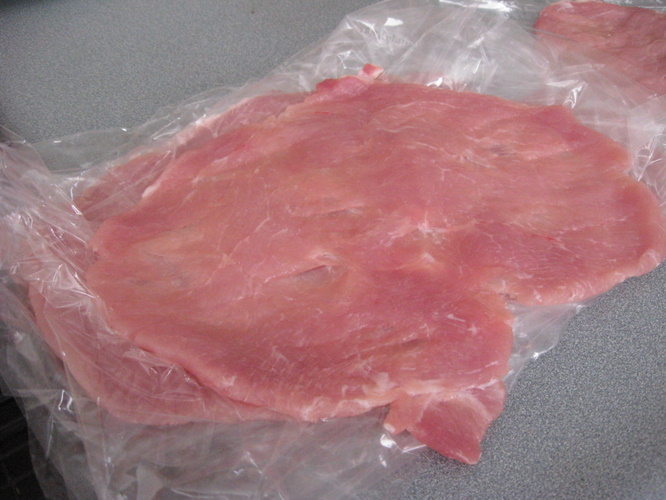
Now gently pound this out between plastic wrap or storage bag cut open. It should be really nice and thin, but not paper.

For a more detailed view of pounding cutting and shaping a Schnitzel
go here

Now let's set up the Breading Station

“Mehl → Ei → Brösel”

This is the German term for
the proper breading sequence for Schnitzel
Flour then egg , then crumbs

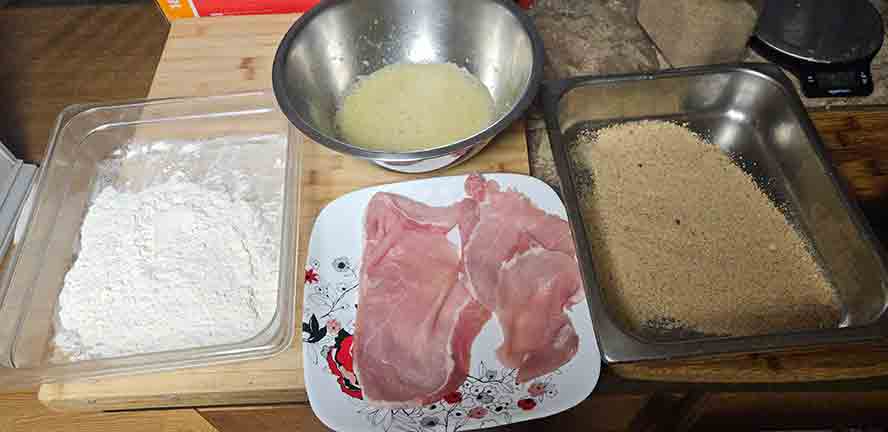
Here is the breading station set up
2 large pans work well, and a mixing bowl.
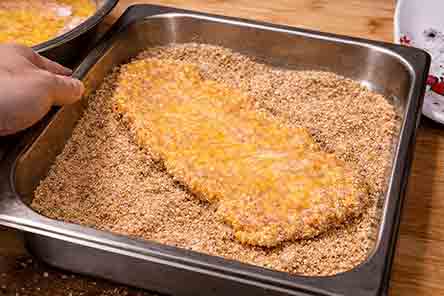
Put the flour in one pan, the crumbs in another,
and the egg mix in a large mixing bowl.

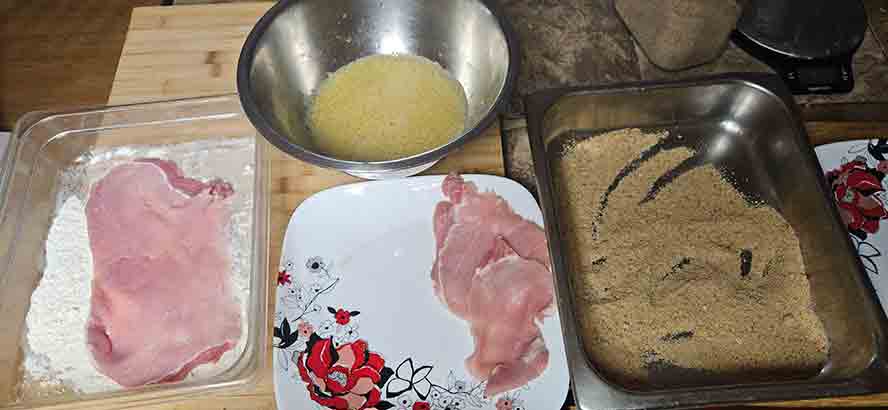
1. Dip it in the flour and coat both sides.
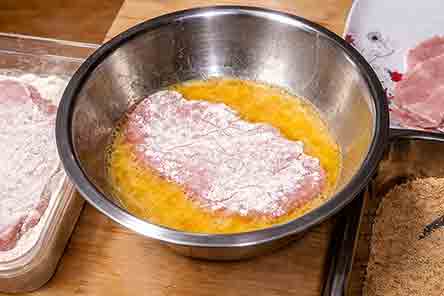
2. Dip in the egg wash getting it well coated
3. put it in the bread crumbs and just make sure it is well coated.


Let the Schnitzel rest on the plate for a few minutes so the crumbs can set.

Now it is time to heat the oil

Lets discuss the Souffleé effect

Im Fett Schwimmend
The Secret of the (Soufflé Effect
)

Why a schnitzel needs to “swim” to puff and stay light

The hallmark of a true Wiener‑style schnitzel is that delicate, wavy crust — the little blisters, the lift, the way the breading seems to breathe in the pan. This isn’t an accident. It comes from frying the schnitzel im Fett schwimmend, literally “swimming in fat.” When the oil is deep enough for the schnitzel to float freely, the heat surrounds it evenly. The moisture inside turns instantly to steam, pushing outward and lifting the breading so it stays crisp, airy, and beautifully blistered.

Shallow oil can’t do this. When the schnitzel sits flat on the pan, the crust gets pressed down, the heat drops, and the breading absorbs oil instead of repelling it. But in about 2 cm (¾ inch) of clean, hot oil, the schnitzel rises off the bottom and moves gently as the steam escapes. That movement — those tiny waves of oil washing over the top — is what creates the soufflé effect. It’s the difference between a heavy, pan‑fried cutlet and the light, golden, celebratory schnitzel that made Vienna famous.
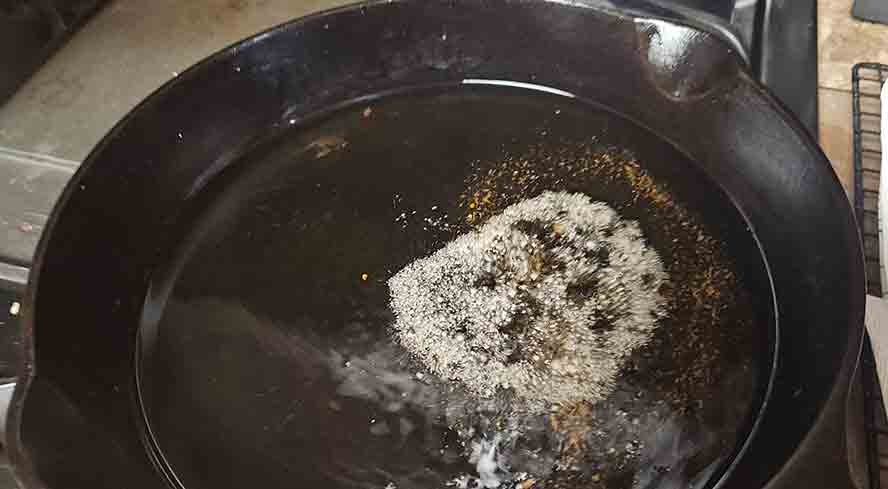
 

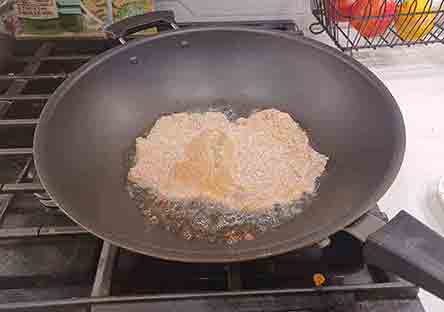
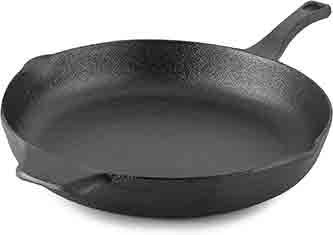
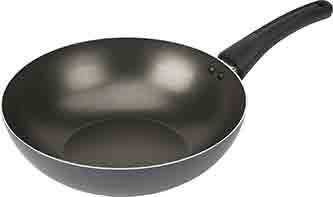
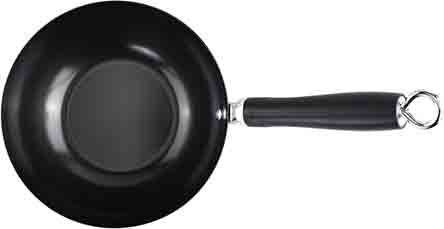
I put about 1 cup of olive oil in a 12 inch skillet, and it is about 3/4 inch deep.

I heat it on medium and not high so it doesn't get too hot.

You can tell when it is hot enough by sprinkling in a few crumbs to see if they sizzle.
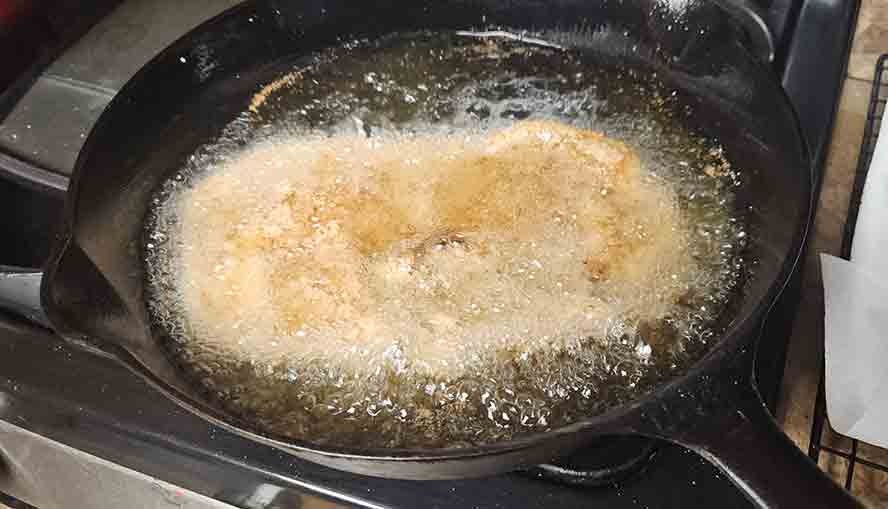
Put a Schnitzel in the hot fat gently with tongs.

Shake the pan lightly or spoon some of the oil over the top.
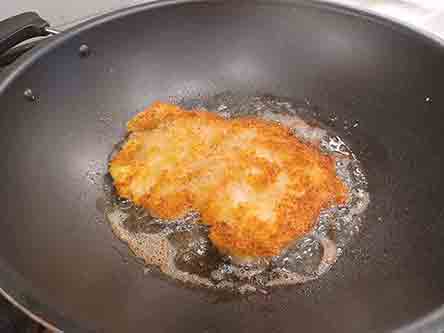
This creates the souffle effect.
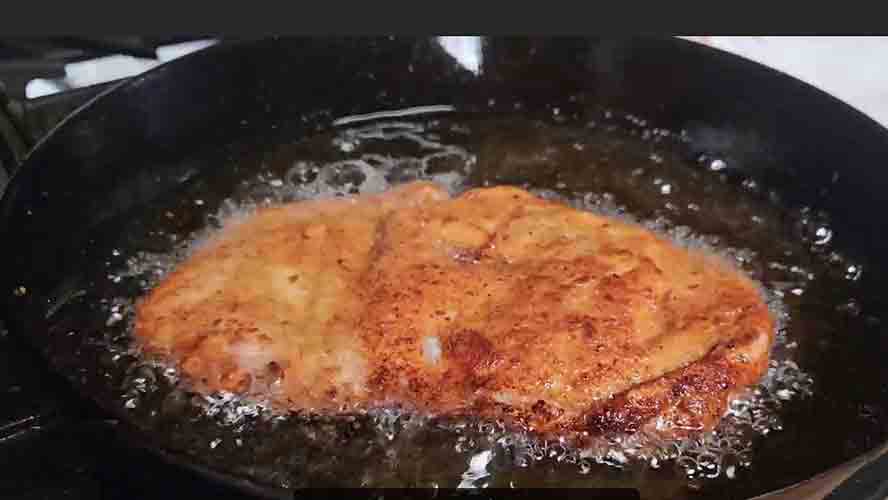
Gently turn the Schnitzel once and brown the other side.

How to Clean your Oil to Reuse
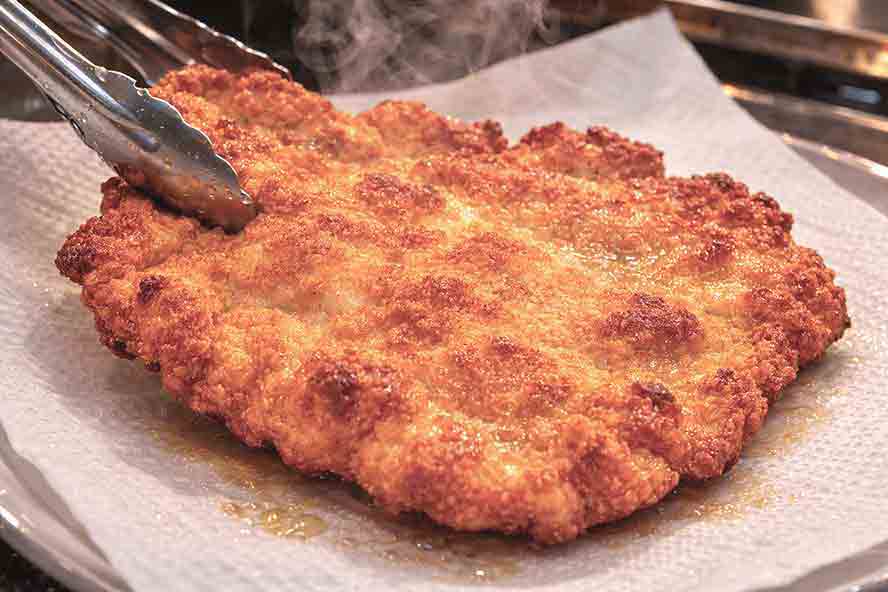
Take the Schnitzel carefully out of the pan and drain it on a paper towel.
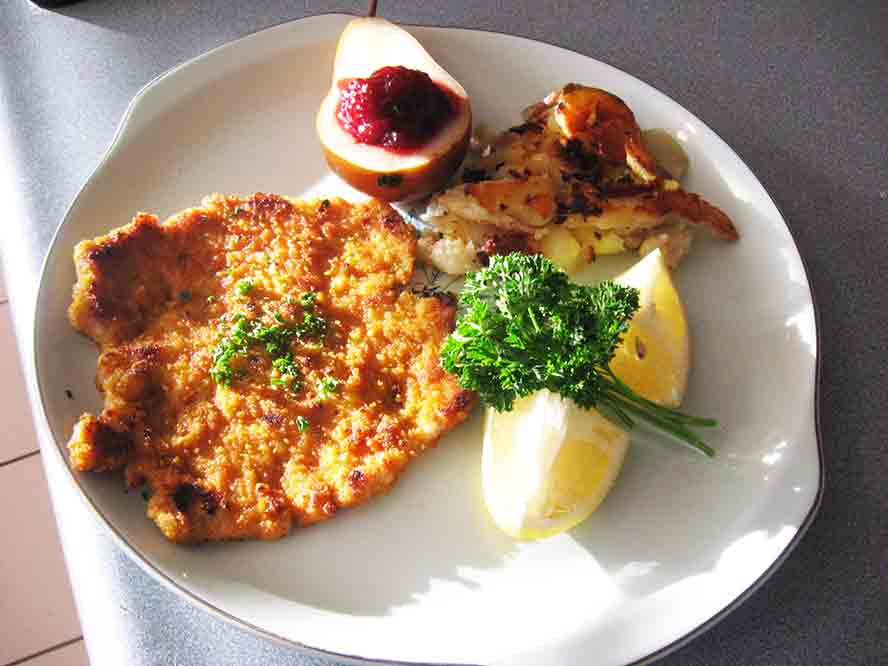
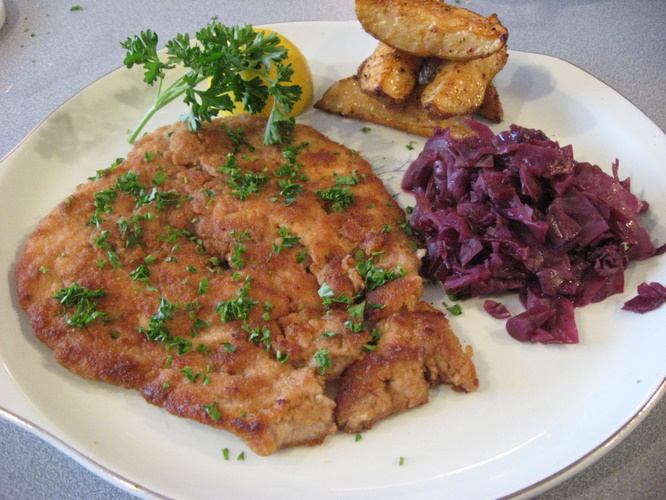
Here is the finished Schnitzel ready to serve

This Schntizel is so good that all you need is a squeeze of lemon to go with it.

Traditionaly you will find Wienerschnitzel served with pomme Fritz,
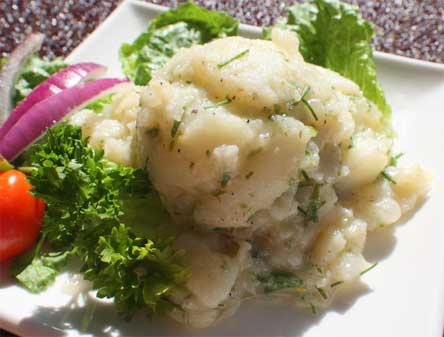
An Austrian style potato salad, made with just broth and onions no bacon.


You will also see it with boiled potatoes tossed with butter and parsley.


Also you could serve it with ligonberries, while this is not traditional it is very tasty,


Another side dish that goes well with this is Cucumber Salad.
I like to serve Rohtkohl with it but this is not traditional.

Swabian Potato Salad

German Cucumber Salad
(Gurkensalat)


How to Keep Your Oil Clean for Multiple Batches

Straining, saving, and reusing schnitzel oil the traditional way

A good schnitzel depends on clean, steady oil. Once crumbs burn, the oil darkens, the temperature drops, and the soufflé effect disappears. The secret is to strain the oil right after frying — while it’s still warm and fluid — so you can reuse it for the next batch or the next time you make schnitzel. Set a fine‑mesh sieve over a heatproof jar and line it with a coffee filter or a paper towel. Pour the warm oil through slowly, catching all the browned crumbs and flour dust that would otherwise break the oil down.

Once strained, let the oil cool completely, seal the jar, and store it in a cool, dark place. Properly filtered schnitzel oil can be reused two or three times as long as it stays golden and doesn’t smell burnt. Before your next fry, drop in a tiny pinch of breadcrumbs — if they dance and sizzle gently, the oil is ready. This small habit keeps your schnitzel light, crisp, and beautifully blistered every time.


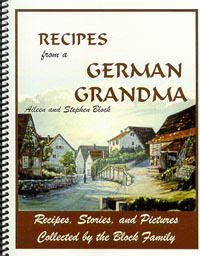
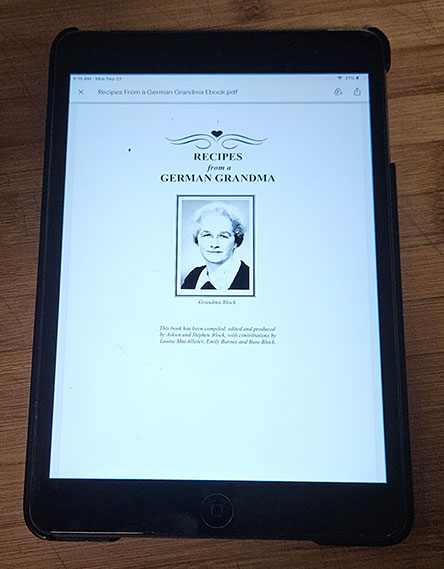
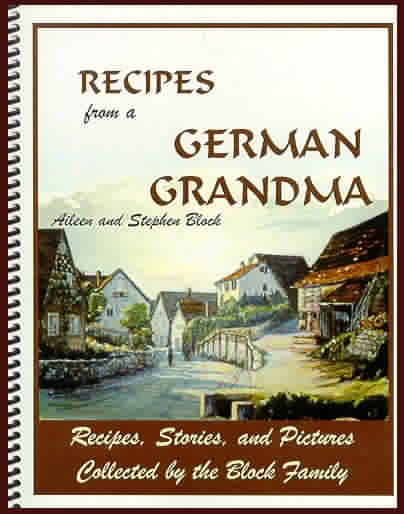
A recipe book and short biography of my Grandmother Emma Block.

Look inside and check out a sample of our book

Her recipes, culture and cooking styles that were brought over from Germany. How they evolved when she came to America in the early 1900s and settled in Portland, Oregon on the west coast of the United States. Over 100 recipes


Bonus recipes with step by step color pictures
Online for download

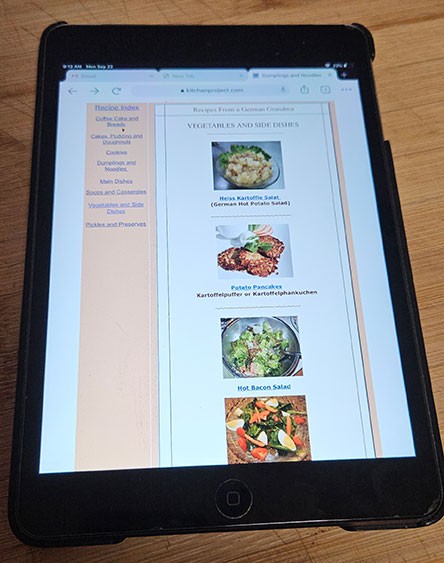
Rest your laptop,tablet or phone
in the Kitchen counter
and follow the recipes with pictures to help.

Bonus
PDF
for you to download

Read on your
phone, tablet or laptop


Vintage German Postcard replica's to use as bookmarks or to mail.

Order our Cookbook with
Bonus Step by Step Recipes,
Postcards, and
Ebook

19.97


Order the Kindle Version

Biography of my grandma
Emma Block

From Germany with Love tells the story of my grandma, Emma Block, growing up in a little town in Baden/ Würtemberg, Germany near Heidelberg named Steinsfurt. Then at the age of 15 immigrating to the United States, taking a train with one of her sisters and brothers to Hamburg and sailing the Atlantic with other hope filled Germans wanting to make a life in the "New World". It was not easy but with good values learned in her German upbringing made a full life, had a wonderful family with lots of fun and celebration including the great German meals.

Order Here

Looking for another recipe?

Enter your recipe request and search


Where to shop for German Foods and Things


Do you have a question or comment on this recipe?
make sure you put the recipe name in the subject line


Listen to German Music
Listen to the Chicken Dance, and download it
CD's recommendations and links


Do you have a German Name?
Also what your German name means

Do you want to learn to speak a little German?
Learn one word a day.

Explore your German Heritage
Find out if your relatives came over through Ellis Island and more good links


Privacy Policy

Terms and Conditions

Disclaimer

Refund Policy


Back to top

E-Mail The Webmaster stephen@kitchenproject.com
© 1998- to present The Kitchen Project 

Last updated March 8, 2026