Recieve our free
German Goodies Recipe
Newsletter
|
Grebble, Krepple, Roll Kuchen
Fasching Bow Ties, Angel Wings
Volga German Fried‑Dough Traditions
with many names

Kitchen Project German Recipes German OnlineShop
Jump to Recipe
A little background
When the Volga Germans left their villages along the Rhine in the 1760s and resettled on the Russian steppe, they carried with them a whole constellation of humble fried‑dough traditions. Over generations, those recipes adapted to frontier life: simple doughs, hot fat, and whatever ingredients were on hand.
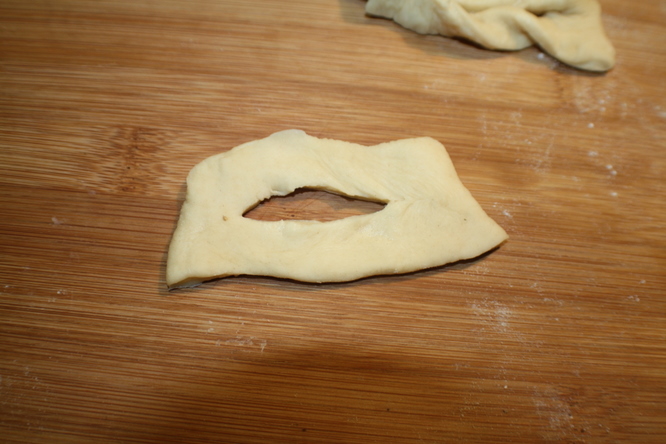
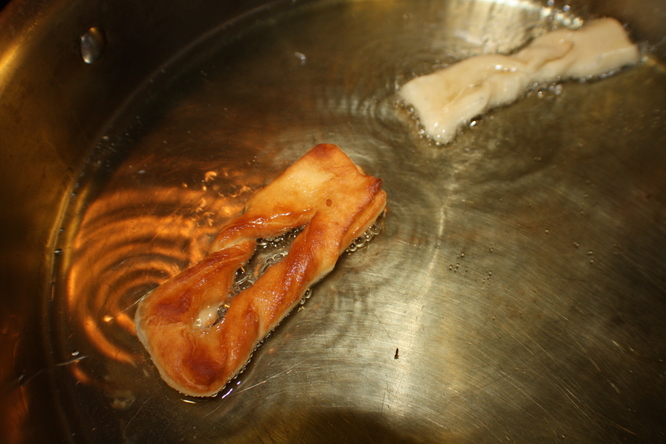
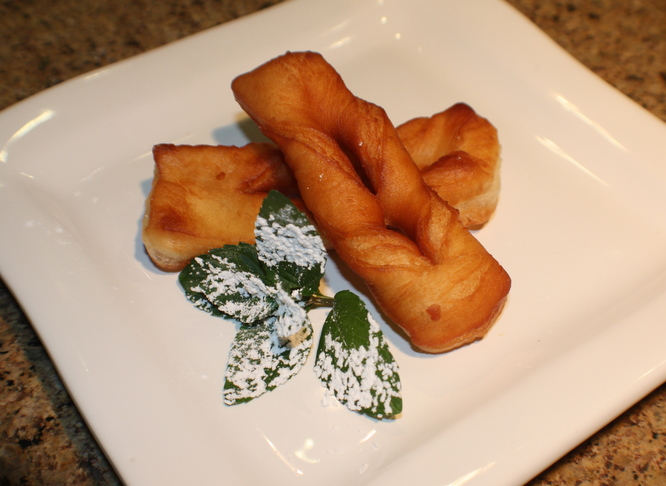
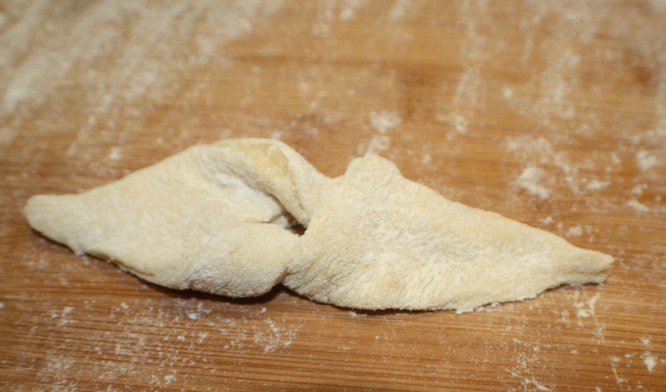
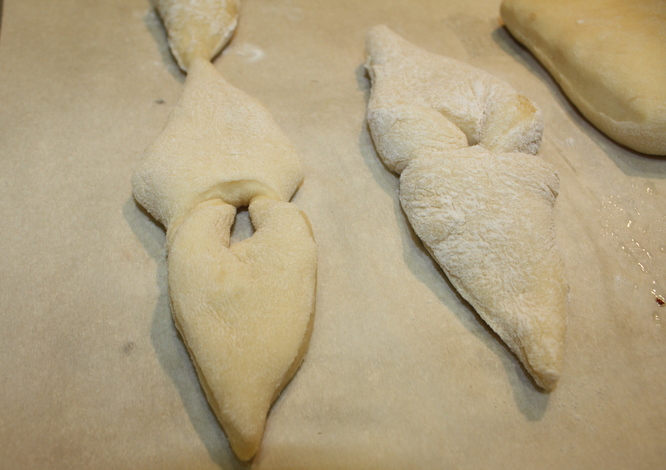
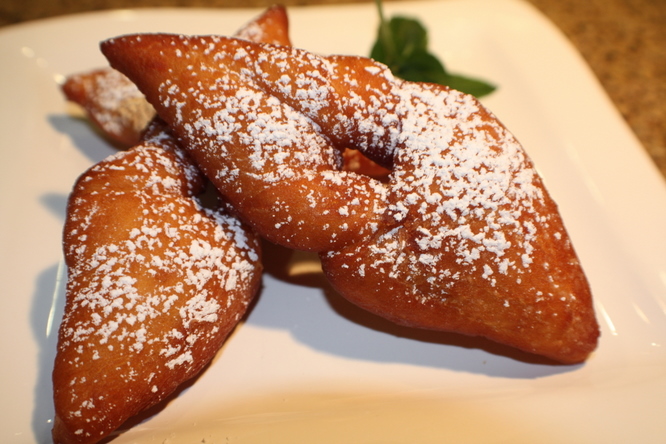
Grebble (also spelled Krebble, or Krepple,) became the winter treat — little folded or twisted pieces of dough fried golden and dusted with sugar. They were made for Christmas, for Fastnacht, or simply for the joy of having something warm and sweet on a cold day. These pastries weren’t fancy, but they were deeply loved, and every family had its own shape, its own fold, its own memory attached to them. After years in America, they took on folk names like Bow Ties, and Angel Wings.
Rollkuchen, (later on 2 words, Roll Kuchen) on the other hand, grew into a summertime ritual once Volga Germans migrated again — this time to the American and Canadian prairies. Wheat was plentiful, cream was fresh, and hot oil was always ready during threshing season. Families rolled the dough thin, cut it into strips, and fried it until blistered and crisp.
And somewhere along the way, a magical pairing emerged: Roll Kuchen with cold watermelon. No one knows exactly who first set the two on the table together, but the contrast — hot and crisp, cold and sweet — was irresistible.
It became a prairie tradition so strong that for many Volga German descendants, summer doesn’t feel complete without that plate of fried dough and a chilled slice of melon. It’s one of those beautiful food moments where necessity, season, and pure pleasure come together to create a tradition that feels timeless.

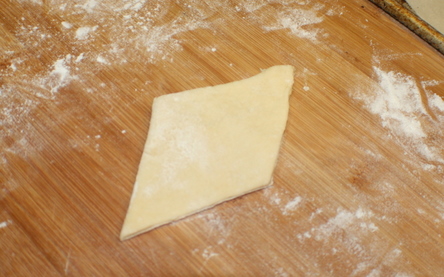
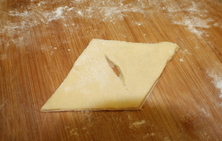
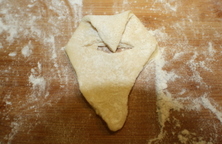
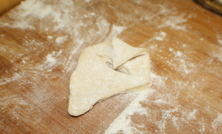
Use the dough Recipe below and make Angel Wings
|