
Recieve our free
German Goodies Recipe
Newsletter
|
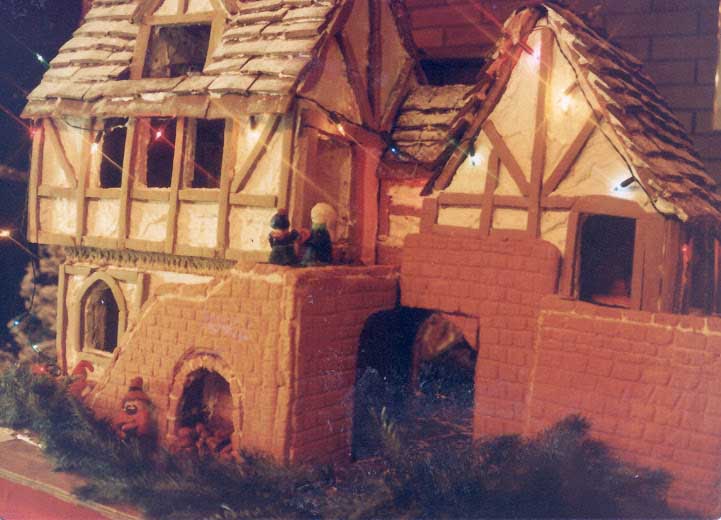
How to Make a Gingerbread House
Kitchen Project German Recipes German OnlineShop
Jump to Gingerbread Recipe
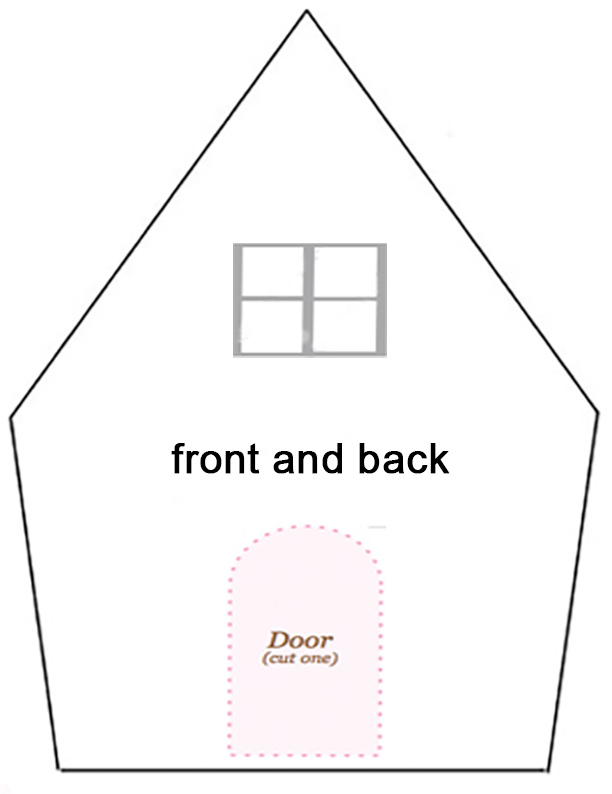
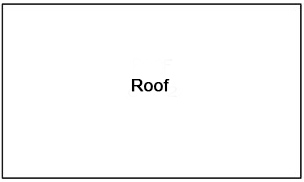
Print Templates and Recipe
Hansel and Gretel and the Gingerbread House: A Sweet Symbol of German Heritage
When the Brothers Grimm published Hansel and Gretel in 1812, they gave the world one of the most enduring images in German folklore: a house made of bread, cake, and sugar, glittering in the forest like a beacon of temptation. For children, it was a dream come true. For adults, it reflected the harsh realities of hunger and survival in early modern Europe. And for German bakers, it became the spark that transformed gingerbread into a cultural icon.
Gingerbread Before the Fairy Tale
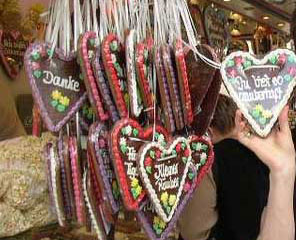
Long before Hansel and Gretel stumbled upon the witch’s cottage, Germans were baking Lebkuchen, a spiced honey cake dating back to the 13th century. Monks in Franconia crafted these fragrant treats with exotic spices—ginger, cinnamon, cloves—brought along medieval trade routes. By the 14th century, Nuremberg had become the gingerbread capital of Europe, with guilds regulating recipes and production. Gingerbread was more than food; it carried religious symbolism, often shaped into hearts, animals, or angels for festivals and fairs.
The Fairy Tale’s Influence
Hansel and Gretel
By the Grim Brothers

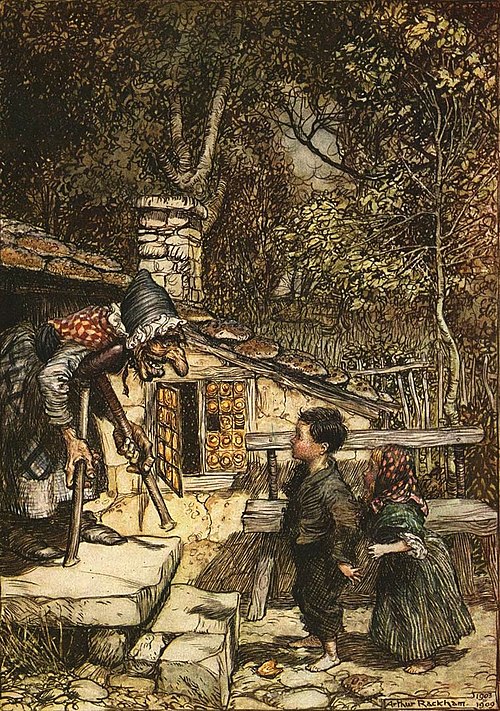
The Grimm Brother's tale transformed gingerbread from a sacred treat into a fantastical structure. The witch’s house, described as “built of bread and roofed with cakes, with windows of clear sugar,”
captured imaginations across Germany. Soon after the story’s publication, families began baking and decorating gingerbread houses at Christmastime, turning folklore into festive tradition.
The act of building a house from sweets became a way to celebrate abundance, creativity, and resilience—values deeply rooted in German culture. |
 |
Symbolism of the Gingerbread House
-
Temptation and survival: In the tale, the house lures hungry children, reflecting real fears of scarcity.
-
Hospitality and abundance: In practice, gingerbread houses became symbols of generosity and joy.
-
Heritage and creativity: Each decorated house is a testament to German ingenuity, blending storytelling with culinary art.
German-American Tradition
For German immigrants in America, gingerbread houses carried nostalgia for the homeland and offered a way to share culture with new neighbors. Over time, they became a cherished part of Christmas celebrations in German-American households. Today, families across the U.S. gather to build gingerbread houses, often unaware that they are participating in a tradition born from German folklore and carried across the ocean by immigrants who sought to preserve their heritage. |



 \
\