Recieve our free
German Goodies Recipe
Newsletter


Hard Baked Pretzels

(A German-Pennsylvania creation)

Hard pretzels have a long history in Pennsylvania, where German baking traditions helped turn the familiar twisted bread into one of America's favorite crunchy snacks. Julius Sturgis opened his commercial pretzel bakery in Lititz, Pennsylvania, in 1861, helping establish hard pretzel making as an industry. Over the years, these crisp little twists became a Pennsylvania specialty, enjoyed by generations of snack lovers.

So what makes a hard pretzel different from a soft pretzel? Interestingly, the basic dough can be very similar. The real difference comes down to the oven. Soft pretzels are baked at a higher temperature for a shorter time, leaving them brown on the outside with a tender, chewy center. Hard pretzels are baked longer, with a lower, gentler heat to drive out moisture and develop that familiar dry, satisfying crunch.
To make them even crunchier, add a small amount of Baker's Ammonia.
a German secret,they call Hirschhorn Salz for many thin baked items to give
a melt in your mouth crunch.

Ready to give homemade hard pretzels a try?

Roll up your sleeves, twist up a batch, and enjoy the satisfaction of making this Pennsylvania favorite right in your own kitchen. You might be surprised how much fun—and how delicious—a little pretzel history can be!

    Kitchen Project   German Recipes       German OnlineShop


Ingredients:

1  tablespoon  instant or active dry yeast (1 standard packet)
1.5 Tablespoons brown sugar or granulated sugar
1 cup (180 ml) warm water (around 100°F/38°C)
2 Tablespoons (14g) unsalted butter, melted and slightly cooled
1 teaspoon (7 gr) salt

4 cups (500–550g) all-purpose flour (spooned & leveled), plus more as needed to make a dough that stays together and cleans the sides of the mixer bowl.

Optional ingredients to optimize your pretzels
1/4 teaspoon of Baking Ammonia
1 teaspoon diastatic malt
2 Tablsp sourdough starter

Pretzel Salt or coarse salt, for topping

Sodium hydroxide bath
2 cups water in a stainless bowl
1.5 tablespoons Sodium Hydroxide mixed


printer friendly           Metric Conversion Chart


Our German Heritage Recipe Cookbook

~~~~~~~~~~

Kitchen Tool Discussion

The Kitchen Project receives a small commission on sales from Amazon links on this page.

Full Affiliate Disclosure Policy


First decide if you are going to make your pretzels on the same day or
you can wait and make them tomorrow. I prefer to let the dough sit overnight, as
it gains flavor and the dough has better texture.

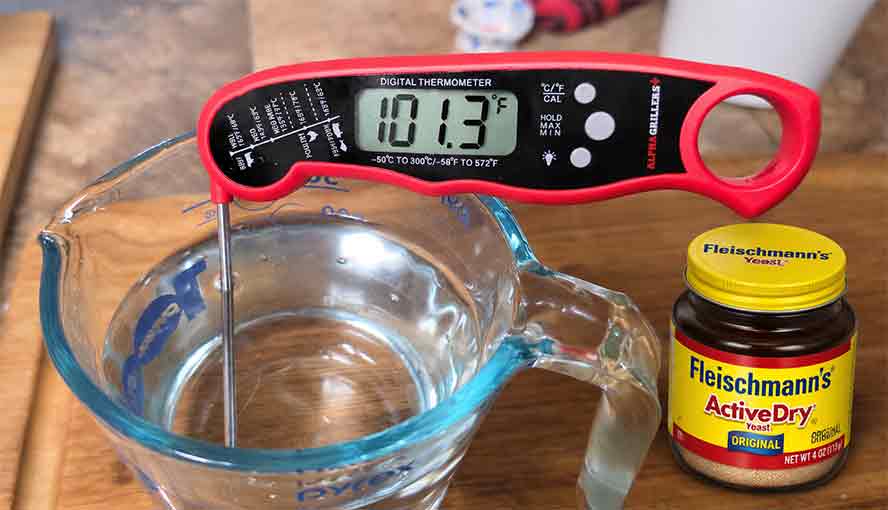
If your going to make the pretzels the same day as the dough, make sure the water is warm,
about 100-105 degrees F if you are using regular dry active yeast, and bloom the yeast in the warm water.
If you are using instant yeast you can put it right into the flour.
(make sure your yeast is fresh)
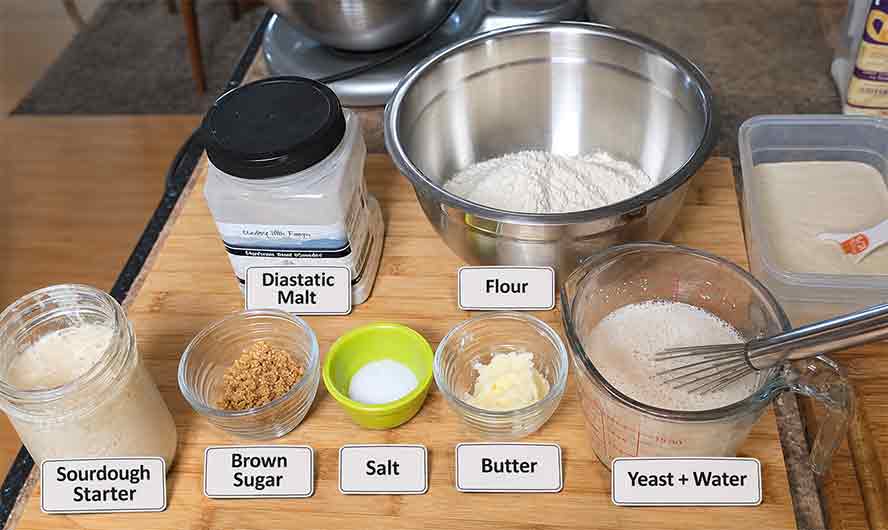
Gather the rest of your ingredients together;
the flour, brown sugar, salt, butter, yeast and water.
In this picture I have the yeast in the water already.


I am also showing in this picture the sourdough starter and the diastatic malt, optional
ingredients to optimize your dough, we will go over this option later.

First let's make the same day dough pretzels.
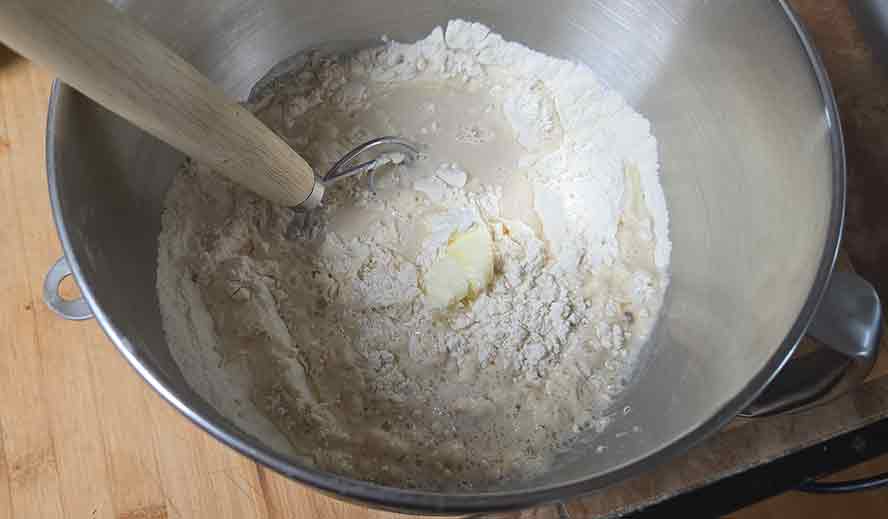
Blend all the ingredients together,
I like to use a dough whisk, for this. Somties the mixer doesn't get it all worked in evenly.
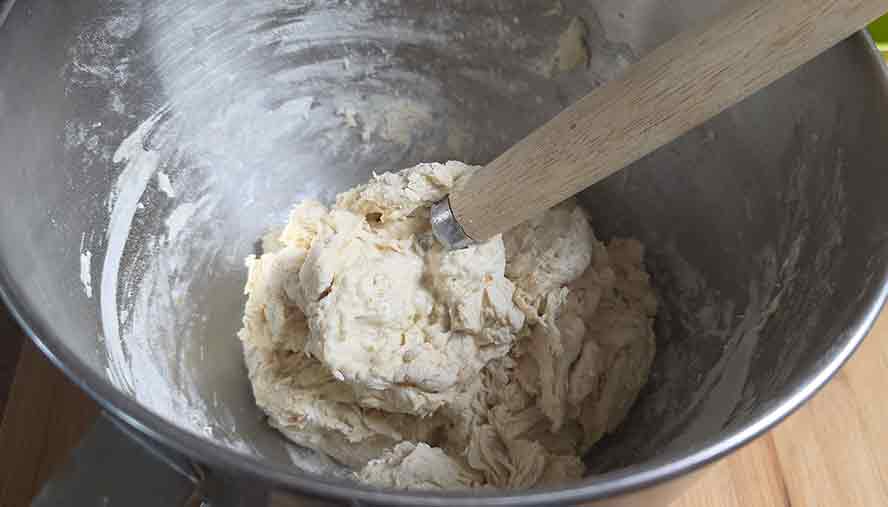
Let this sit for 15 min to let the water soak in before you knead it.
This is called letting the dough autolyze.
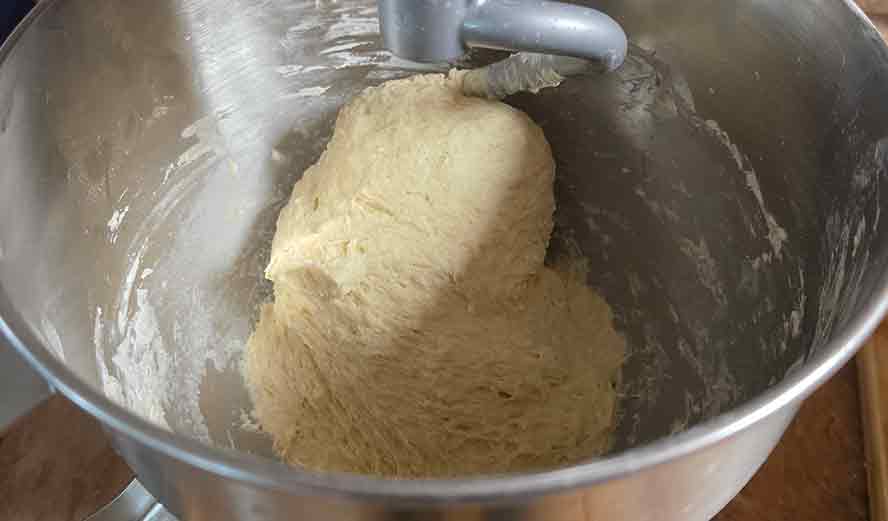
Knead the dough in the stand mixer with the dough hook, for about 5-8 minutes until the dough clears the bowl and gathers around the hook. If it doesn't add about 50 grams or 1/4 heaping cup of flour and that should do it.
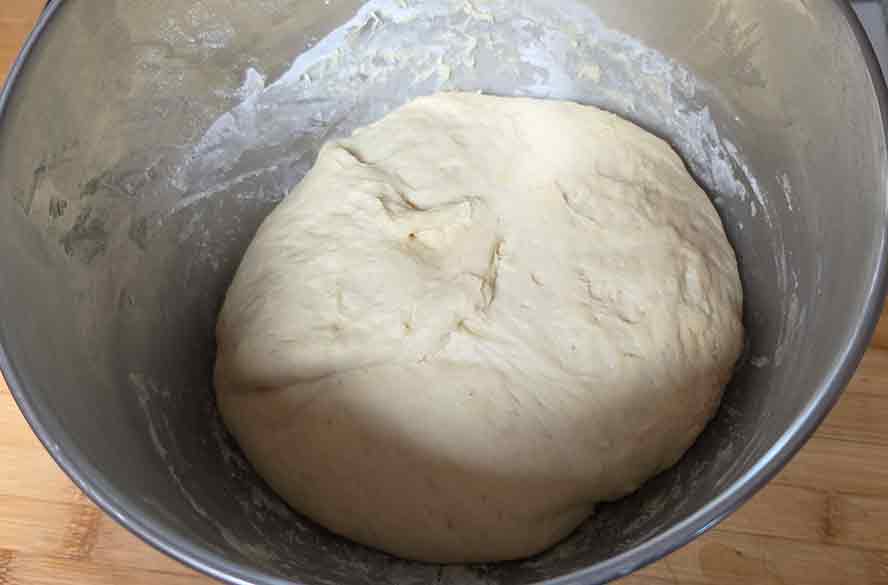
Cover the dough and let it rise for about 30-45 min till about doubled in size.
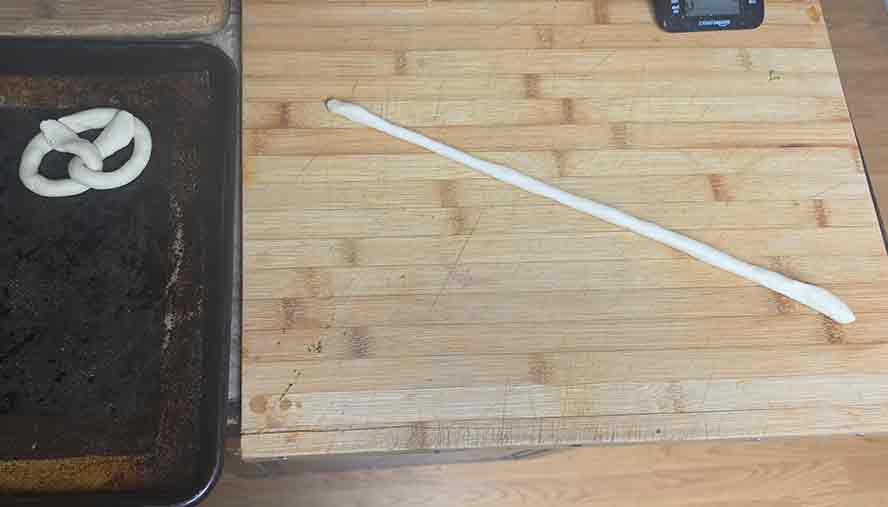


Here I rolled them out about 25 grams or 1 oz of dough into a pencil thick 18 inches.
Many of you may find that even a thinner thickness even better.
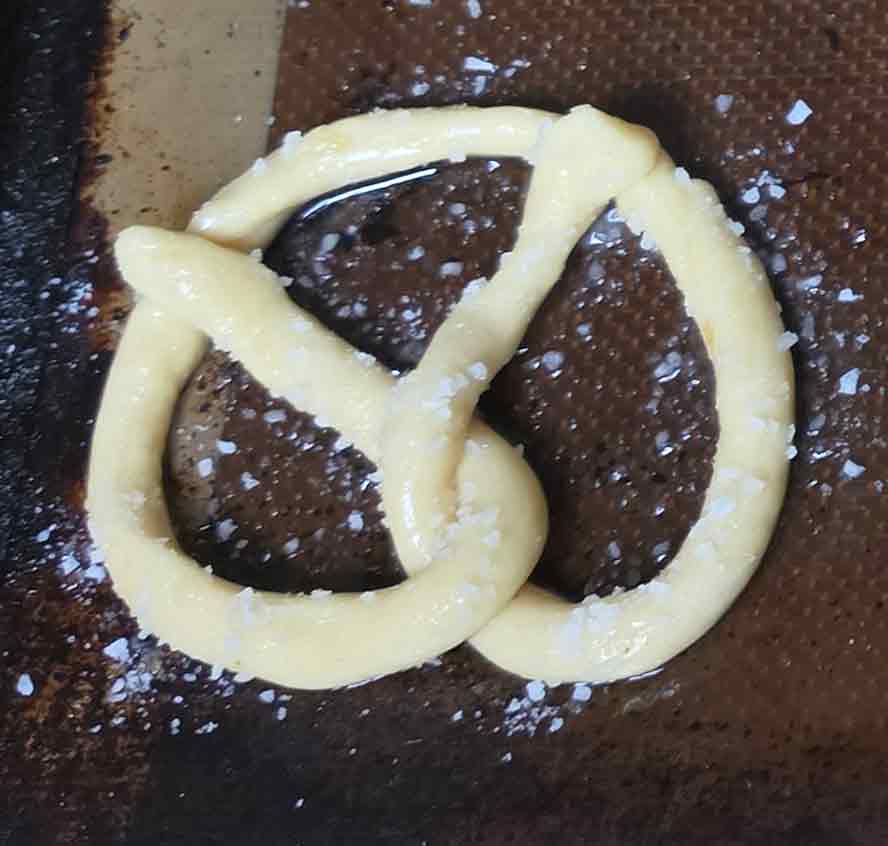
This is about half the thickness of a pencil.
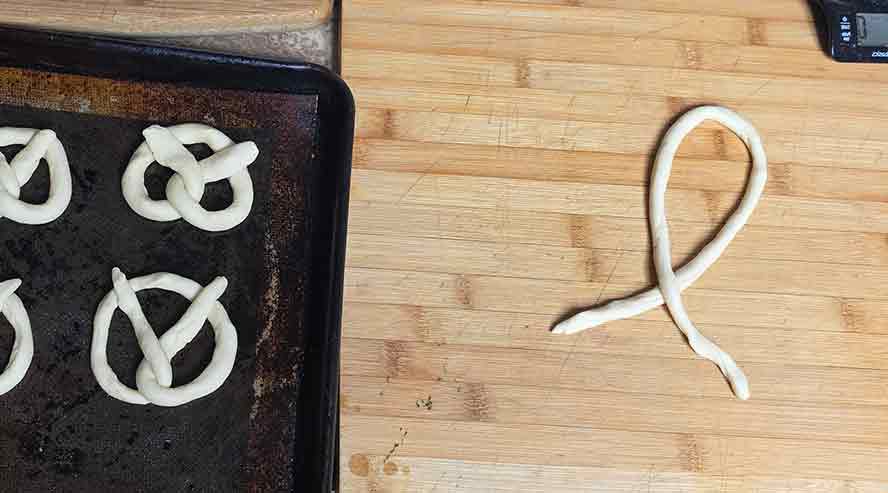
 

Cross the arms and bring them up to the top about 10 and 2
or what ever time you want. Som place them at 9 and 3.
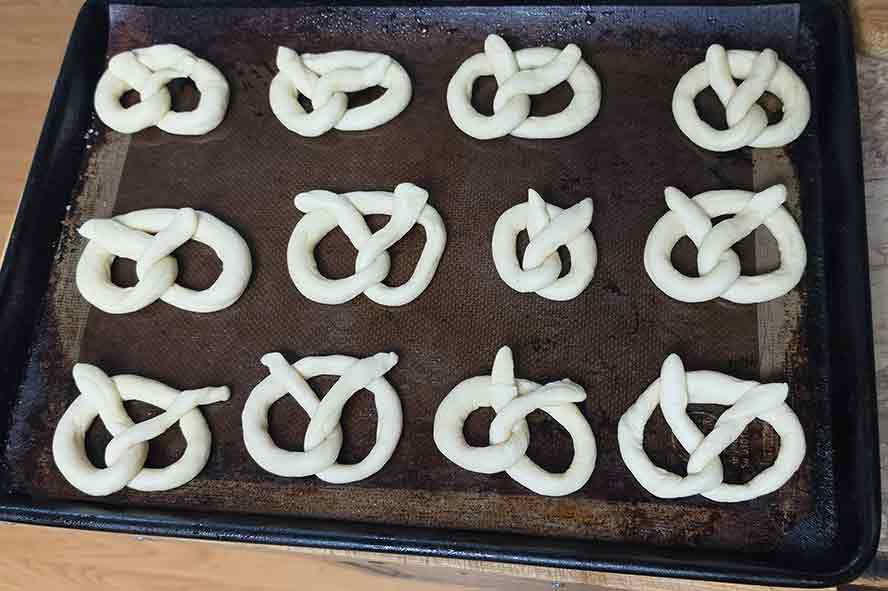
 

Fill up the pan and chill for 2 hours in the fridge to dry the skin, and firm them up making them easier to dip.
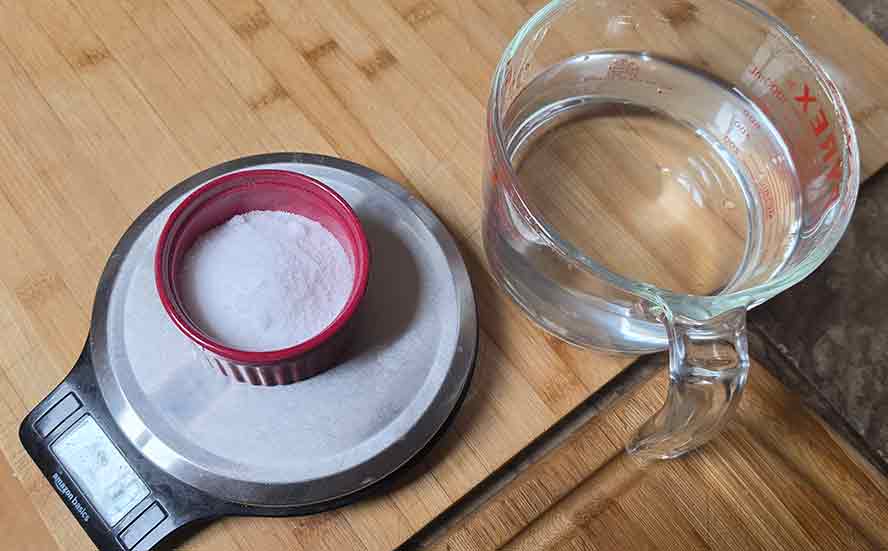
Weigh out the sodium hydroxide and measure the water.

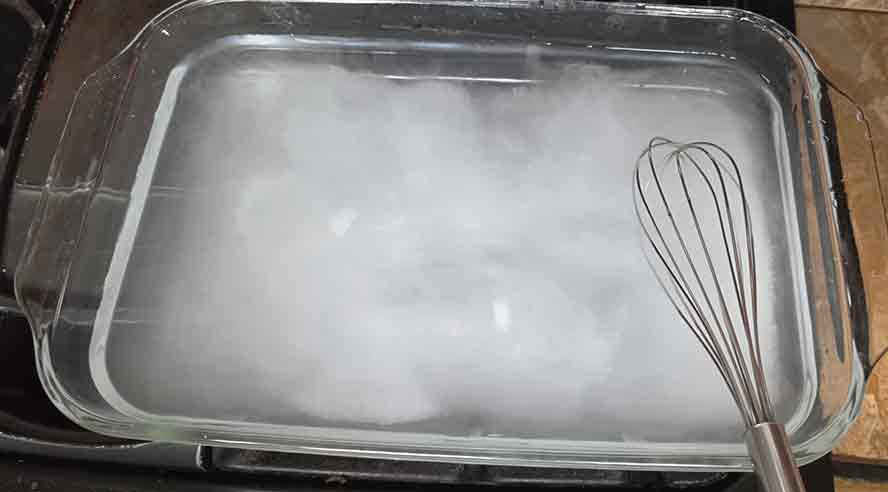
Pour the water in a thick glass baking dish or a stainless steel pan first and then mix in the sodium hydroxide. Not the other way around, you don't want it too splash or make fumes.
Do not use thin glass dish or aluminum pan.

Pre-Heat oven to 300-325 degrees

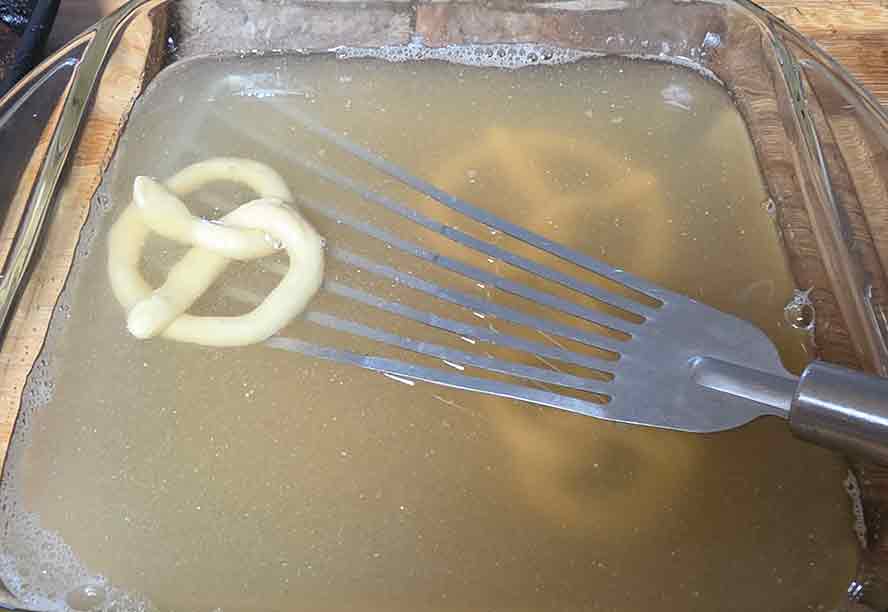
Using rubber gloves or a small stainless skimmer or this "Fish Spatula" dip the pretzels in the solution and put them back on the pan
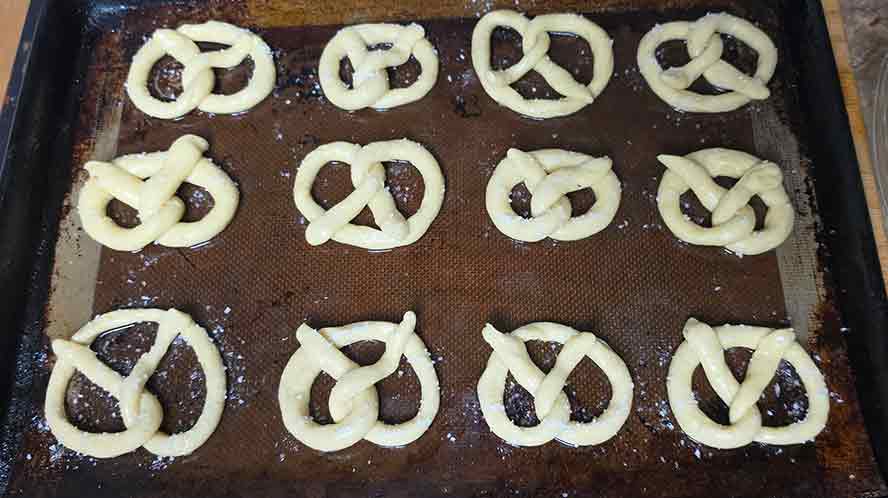
 

and sprinkle them with Pretzel salt or a coarse salt.
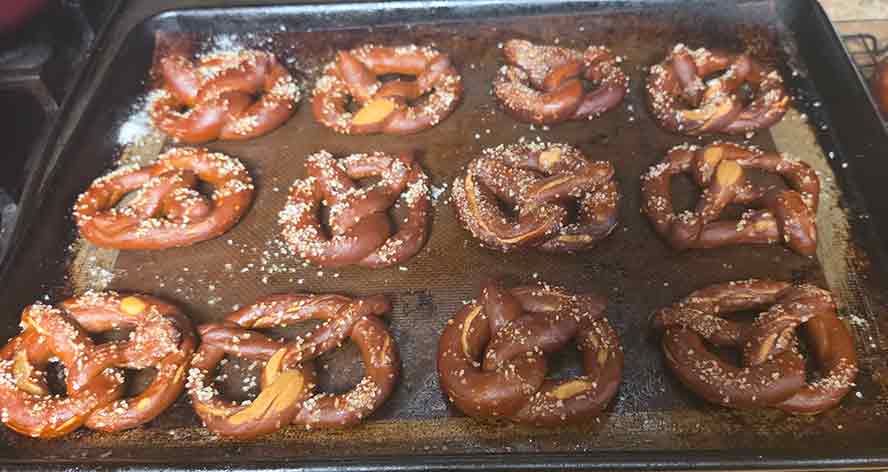
I bake these at a low temperature depening on how hot your oven feels.
these need to be low and slow about an hour turning the pan at 30 min. Then shut off the oven test one,
for crunchiness. If they are still soft they need to bake another 15 -30 min.

Turn off the oven and let them sit in a cooling oven for another 30 to 60 min.
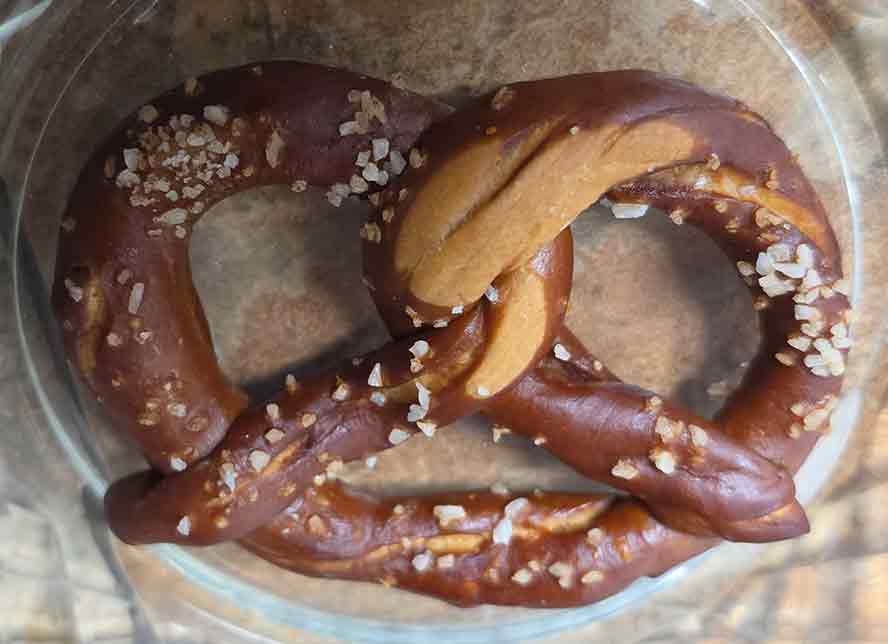
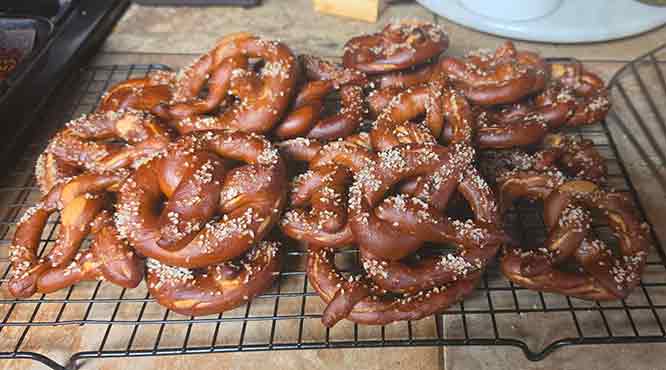
Enjoy these crispy pretzels, they keep for a long time in a plastic storage bag.


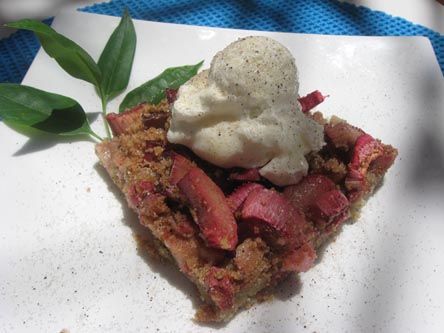
Rhabarber Blechkuchen
Rhubarb Sheet Cake

German Plum Cake


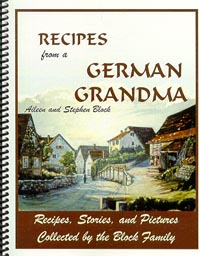
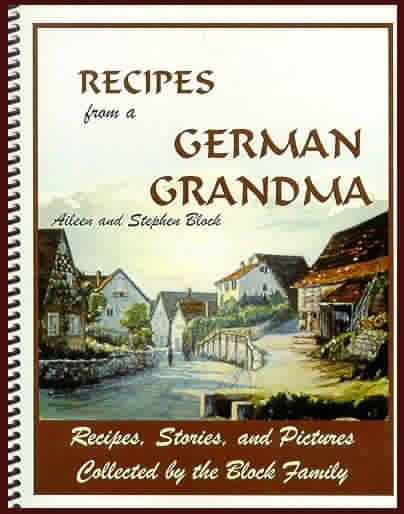
A recipe book and short biography of my Grandmother Emma Block.

Look inside and check out a sample of our book

Her recipes, culture and cooking styles that were brought over from Germany. How they evolved when she came to America in the early 1900s and settled in Portland, Oregon on the west coast of the United States. Over 100 recipes


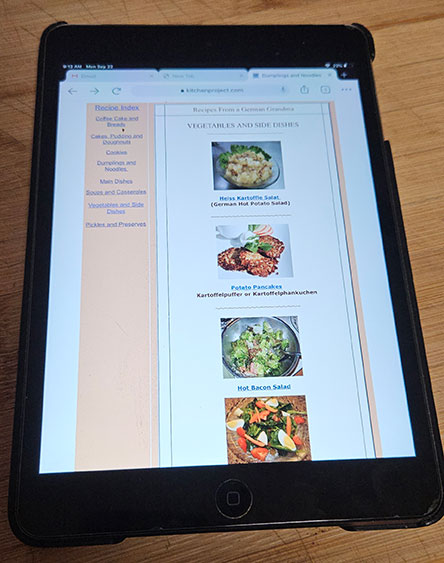
Bonus recipes with step by step color pictures
Online for download

Rest your laptop,tablet or phone
in the Kitchen counter
and follow the recipes with pictures to help.

Bonus
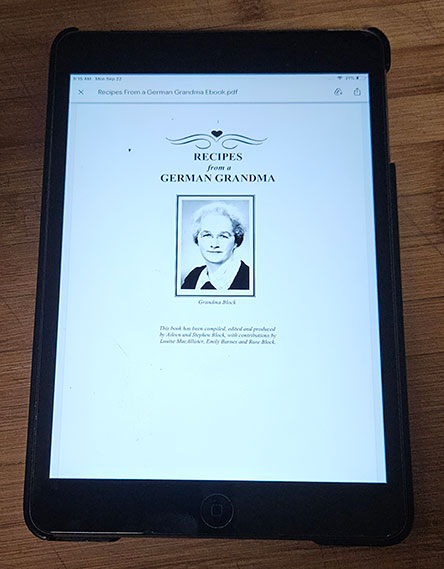
PDF
for you to download

Read on your
phone, tablet or laptop


Vintage German Postcard replica's to use as bookmarks or to mail.

Order our Cookbook with
Bonus Step by Step Recipes,
Postcards, and
Ebook

19.97


Order the Kindle Version

Biography of my grandma
Emma Block

From Germany with Love tells the story of my grandma, Emma Block, growing up in a little town in Baden/ Würtemberg, Germany near Heidelberg named Steinsfurt. Then at the age of 15 immigrating to the United States, taking a train with one of her sisters and brothers to Hamburg and sailing the Atlantic with other hope filled Germans wanting to make a life in the "New World". It was not easy but with good values learned in her German upbringing made a full life, had a wonderful family with lots of fun and celebration including the great German meals.

Order Here

Looking for another recipe?

Enter your recipe request and search


Where to shop for German Foods and Things


Do you have a question or comment on this recipe?
make sure you put the recipe name in the subject line


Listen to German Music
Listen to the Chicken Dance, and download it
CD's recommendations and links


Do you have a German Name?
Also what your German name means

Do you want to learn to speak a little German?
Learn one word a day.

Explore your German Heritage
Find out if your relatives came over through Ellis Island and more good links


Privacy Policy

Terms and Conditions

Disclaimer

Refund Policy


Back to top

E-Mail The Webmaster stephen@kitchenproject.com
© 1998- to present The Kitchen Project 

Last updated October 30, 2026